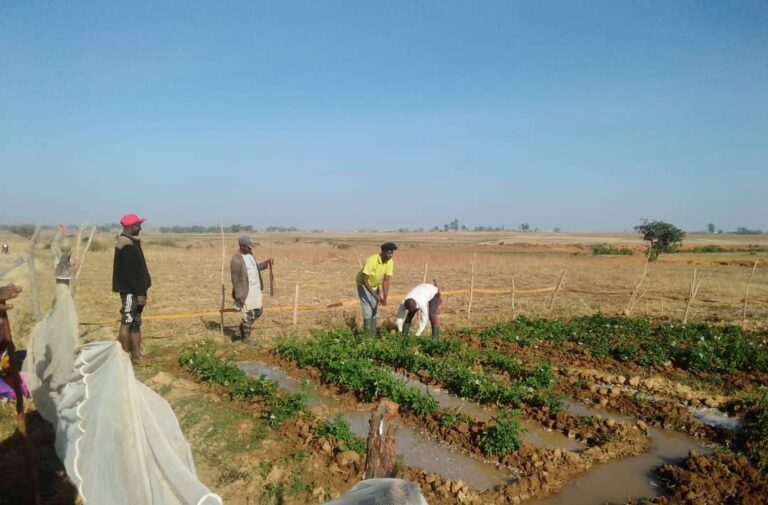
Thriving in the Dry Season: Water Conservation and Crop Selection
The dry season in southern Nigeria, typically running from November through February, presents unique challenges for smallholder farmers. With little to no rainfall and intense heat, many farmers leave their land fallow during these months. However, with proper planning and water conservation techniques, the dry season can be a productive and profitable period.
Understanding Your Water Resources
Before planning dry season cultivation, assess your water sources. Do you have access to streams, ponds, or wells? How reliable are these sources throughout the dry season? Understanding your water availability is the foundation of successful dry season farming.
For farms near water bodies, simple irrigation systems using buckets, watering cans, or low-cost drip irrigation can make dry season cultivation viable. Even small-scale irrigation can support high-value vegetable production on a quarter-hectare plot.
Crop Selection for Dry Season Success
Not all crops are suitable for dry season cultivation. Focus on vegetables and crops with shorter growing periods and good drought tolerance.
Excellent dry season crops include tomatoes, peppers, onions, okra, and leafy vegetables like amaranth and spinach. These crops mature quickly (60 to 90 days) and respond well to irrigation. They also command premium prices during the dry season when supply is limited.
For farmers with reliable water sources, consider dry season maize. Early-maturing varieties can be harvested before the peak of the dry season, and fresh maize fetches excellent prices when most farmers are between seasons.
Mulching: Your Best Defense Against Moisture Loss
Mulching is perhaps the most important technique for dry season farming. A thick layer of organic mulch (grass clippings, crop residues, or leaves) dramatically reduces water evaporation from the soil surface.
Apply mulch 5 to 8 cm thick around your plants, keeping it a few centimeters away from stems to prevent rot. Mulch also moderates soil temperature, suppresses weeds, and gradually adds organic matter to your soil.
In trials conducted by GAIN Nigeria Rural, mulched plots required 40% less water than unmulched plots while producing 25% higher yields. The labor investment in collecting and applying mulch pays substantial dividends.
Efficient Irrigation Techniques
Water is precious during the dry season. Use it wisely. Irrigate early in the morning or late in the evening to minimize evaporation losses. Never irrigate during the heat of midday.
Focus water at the root zone rather than wetting the entire soil surface. Drip irrigation or targeted watering with cans is more efficient than broadcast watering.
For small-scale drip irrigation, you can create a simple system using plastic bottles. Punch small holes in bottle caps, fill bottles with water, and bury them next to plants with caps pointing up. Refill bottles daily or every other day. This delivers water directly to roots with minimal waste.
Soil Preparation and Organic Matter
Prepare your dry season plots during the late rainy season. Incorporate as much organic matter as possible. Compost, well-rotted manure, and crop residues improve soil water-holding capacity, allowing you to irrigate less frequently.
Create shallow basins around plants to capture and hold irrigation water. This prevents runoff and ensures water penetrates to root depth.
Shade and Windbreaks
Young plants are particularly vulnerable to dry season stress. Provide temporary shade using palm fronds or shade nets during the hottest part of the day for the first two to three weeks after transplanting.
Establish windbreaks using fast-growing plants like pigeon pea or cassava along the edges of your dry season plot. Windbreaks reduce evaporation and protect tender plants from desiccating winds.
Pest Management in the Dry Season
Dry season conditions favor certain pests. Aphids, whiteflies, and spider mites thrive in hot, dry weather. Monitor your crops closely and intervene early.
Encourage beneficial insects by planting flowers around your vegetable plots. Marigolds, sunflowers, and cosmos attract predatory insects that control pests naturally.
For severe infestations, use neem-based pesticides or soap sprays. These are effective against many dry season pests while being safe for beneficial insects and human consumption.
Timing and Succession Planting
Don't plant your entire dry season crop at once. Stagger plantings every two weeks. This spreads your labor requirements, reduces risk, and ensures a continuous supply of produce to market when prices are highest.
Begin dry season planting in late October or early November, as soon as rains become unreliable. This allows plants to establish while some soil moisture remains, reducing your initial irrigation needs.
Marketing Your Dry Season Produce
Dry season vegetables command premium prices because supply is limited. Develop relationships with market traders before the season begins. Reliable supply of quality produce can earn you preferred customer status and better prices.
Consider direct sales to restaurants, hotels, or urban consumers. These buyers often pay more than market traders for consistent, high-quality supply.
Economic Considerations
Dry season farming requires investment in irrigation, seeds, and labor. Calculate your costs carefully and focus on high-value crops that justify the investment.
A quarter-hectare of well-managed dry season tomatoes can generate ₦200,000 to ₦300,000 in revenue over a three-month period. Even after costs, this represents substantial income during a period when many farmers have no cash flow.
Learning and Adapting
Start small with dry season cultivation. Use your first season to learn what works on your farm. Which crops perform best? How much water do you really need? What pest challenges arise?
Document your experiences. Note planting dates, water usage, pest problems, and yields. This information is invaluable for planning future dry seasons.
Community Cooperation
If you're near a water source, consider forming a dry season farming group with neighbors. Shared irrigation infrastructure, bulk input purchases, and collective marketing can make dry season farming more viable and profitable for everyone.
The dry season doesn't have to mean idle land and empty pockets. With proper planning, water conservation, and crop selection, you can turn these challenging months into a productive and profitable period. The key is starting small, learning from experience, and gradually expanding as you master the techniques.
Your land can feed your family and generate income year-round. The dry season is not a barrier but an opportunity for those willing to adapt and innovate.
Chidi Nweze
Contributing Writer
Chidi Nweze is a contributing writer for GAIN Nigeria Rural, specializing in agricultural development, community empowerment, and sustainable farming practices in rural Nigeria.