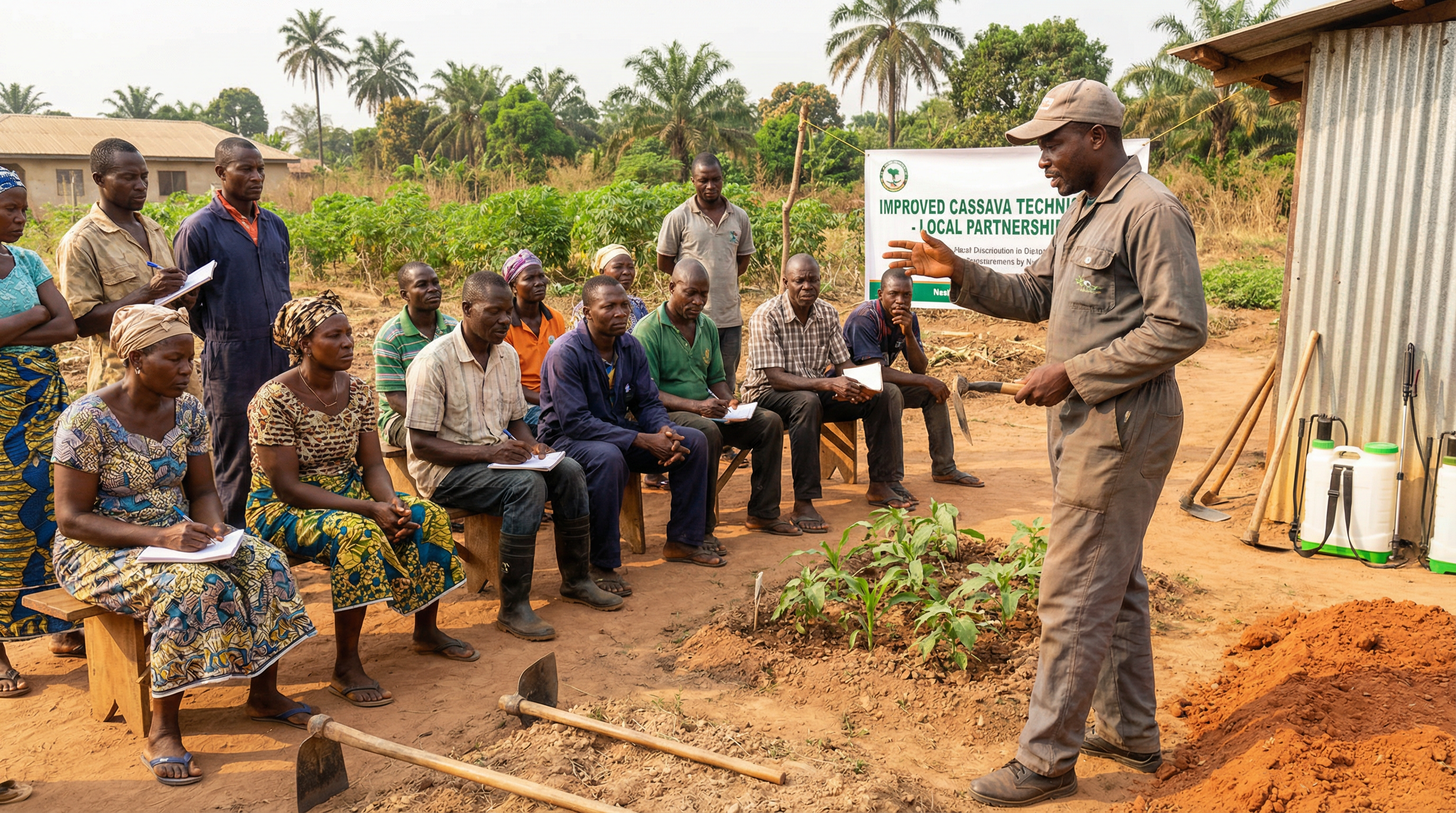
Preparing Your Farm for the Rainy Season: Essential Tips for Ogun State Farmers
The rainy season in Ogun State typically begins in March and extends through October, presenting both opportunities and challenges for smallholder farmers. Proper preparation can mean the difference between a bountiful harvest and a disappointing yield. Here's your comprehensive guide to getting ready.
Soil Preparation: The Foundation of Success
Begin soil preparation at least four weeks before the first rains. Clear your land of weeds and crop residues, but don't burn them. Instead, incorporate organic matter back into the soil through composting or mulching. This improves soil structure and water retention.
Test your soil pH if possible. Most crops prefer slightly acidic soil (pH 5.5 to 6.5). If your soil is too acidic, apply lime at least two weeks before planting. For alkaline soils, incorporate organic matter to gradually lower pH.
Create proper drainage channels to prevent waterlogging, especially in low-lying areas. Excess water can suffocate roots and promote disease. Ridge your cassava and yam beds to ensure good drainage while maintaining moisture.
Seed Selection and Treatment
Choose improved varieties suited to your local conditions. For cassava, varieties like TME 419 and TMS 30572 offer good yields and disease resistance. For yam, consider varieties like Pona and Obiaoturugo.
Treat your planting materials before the rains begin. For cassava stems, cut them into 25cm lengths with at least five nodes. Treat with wood ash or fungicide to prevent rot. Store in a cool, shaded area until planting.
Yam setts should be treated with wood ash and allowed to sprout slightly before planting. This reduces the risk of rot and improves establishment.
Timing Your Planting
Don't rush to plant with the first rains. Wait until the rains are well established, usually after three or four consecutive rainy days. Early planting in false starts can lead to crop failure.
For cassava, the optimal planting window is April to May. Yam should be planted in March to early April. Maize can be planted from April through June for successive harvests.
Fertilizer Application Strategy
Apply organic fertilizer (compost or well-rotted manure) during land preparation. This provides slow-release nutrients throughout the growing season.
For mineral fertilizers, split your application. Apply NPK 15:15:15 at planting (2 to 3 weeks after emergence for cassava), then top-dress with urea six to eight weeks later. Always apply fertilizer when the soil is moist but not waterlogged.
Weed Management
The first six to eight weeks after planting are critical for weed control. Weeds compete aggressively for nutrients, water, and light during this period.
Mulch around young plants with crop residues or grass clippings. This suppresses weeds while conserving moisture. Plan for at least two manual weedings in the first three months.
Pest and Disease Monitoring
The rainy season brings increased pest and disease pressure. Scout your fields weekly for signs of trouble. Common issues include cassava mosaic disease, yam anthracnose, and maize streak virus.
Practice crop rotation to break pest and disease cycles. Never plant cassava or yam in the same spot two years in a row. Intercropping with legumes like cowpea can improve soil fertility while providing additional income.
Water Management
While rain provides water, proper management is still crucial. Ensure your drainage channels are clear and functional. Check them weekly during heavy rains.
In areas prone to flooding, consider raised beds or mounds. These keep roots above waterlogged soil while providing good growing conditions.
Record Keeping
Document your planting dates, varieties used, fertilizer applications, and pest problems. This information helps you make better decisions in future seasons and track what works best on your farm.
Community Cooperation
Work with your neighbors to manage pests and diseases. Coordinated planting dates and pest control efforts are more effective than individual actions. Join or form a farmer group to share knowledge and resources.
The rainy season is your opportunity to secure food and income for the year ahead. Proper preparation and management can double or even triple your yields compared to traditional methods. Start preparing now, and may your harvest be abundant.
Chidi Nweze
Contributing Writer
Chidi Nweze is a contributing writer for GAIN Nigeria Rural, specializing in agricultural development, community empowerment, and sustainable farming practices in rural Nigeria.